Who can legally install what in a Texas smart home
Texas splits smart home work between two state regulators and your city. Here is which license covers lighting, networks, cameras, alarms and locks, and how to check an installer in five minutes.

This guide explains how Texas law divides smart home work. It is general information, not legal advice. For a specific job, read the statutes linked below or ask a Texas attorney.
Why licensing matters for a smart home
A smart home looks like one system. Legally, it is three or four trades sharing the same walls. The keypad by your front door might be a lighting dimmer (electrical work), a security panel (private security work) or both. An installer who does all of it on one invoice still needs the right license for each part.
Getting this wrong causes real problems. Unlicensed electrical work can fail inspection and delay a new home’s certificate of occupancy. A camera or alarm company without a DPS license is breaking state law. Checking takes minutes.
The two-regulator rule
Texas uses two state agencies for most smart home work:
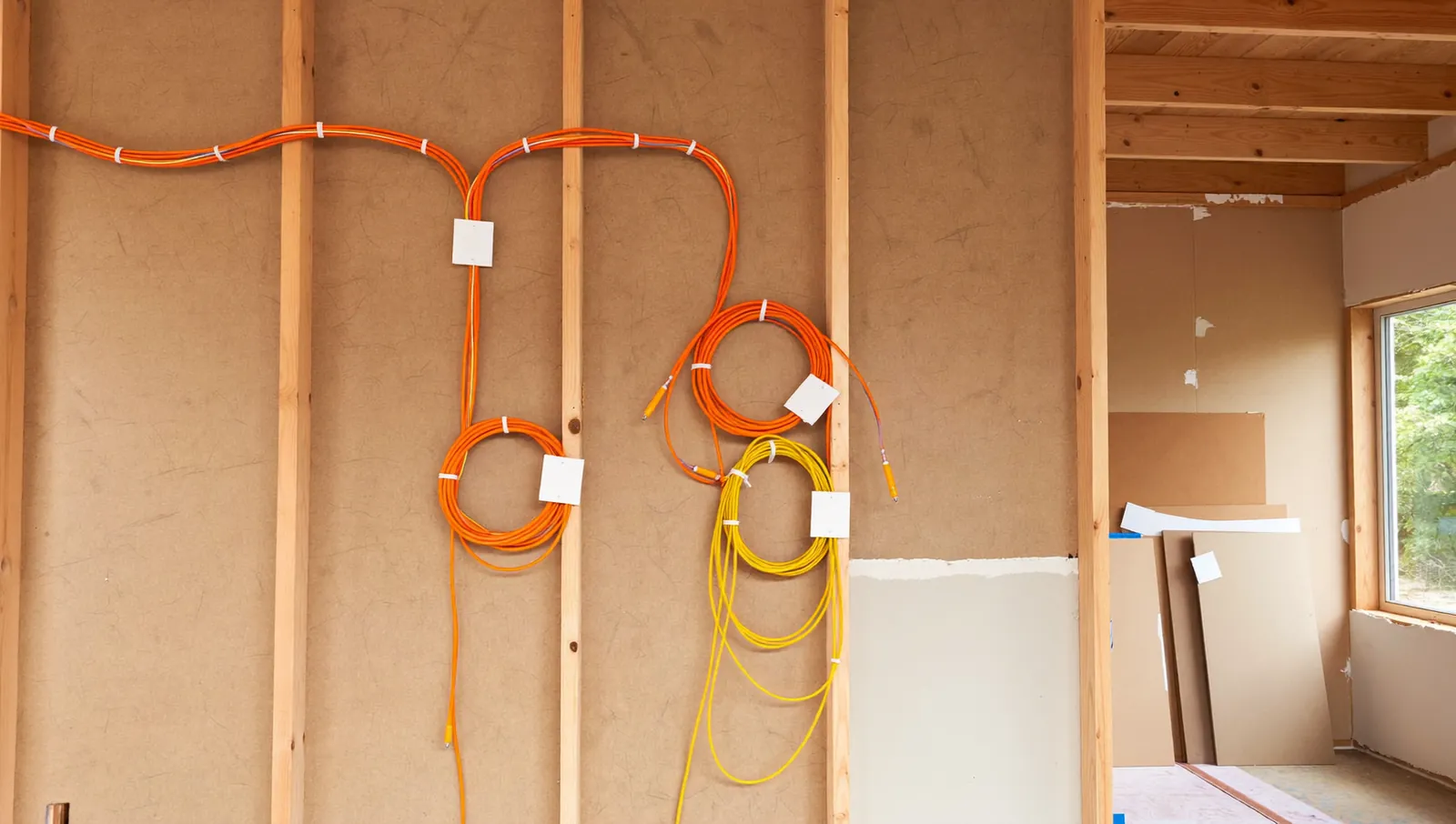
- TDLR licenses electricians and electrical contractors under Texas Occupations Code chapter 1305. It cares about wiring and equipment that use electrical energy.
- The Texas Department of Public Safety (DPS) Private Security Program licenses alarm, camera, access control and locksmith companies under Occupations Code chapter 1702. It cares about what the system does (security), not the voltage.
A third layer sits on top: your city’s building and permitting rules. A fourth may apply to heating and cooling, since TDLR also licenses air conditioning and refrigeration contractors under Occupations Code chapter 1302, and §1302.251 bars anyone without that license from engaging in air conditioning and refrigeration contracting (designing, installing, repairing or servicing HVAC equipment), subject to the chapter’s exemptions.
Here is how common smart home tasks usually sort out. Treat it as a starting map, not a ruling on your project.
| Task | Usually regulated by | Why |
|---|---|---|
| Replacing wall switches with smart dimmers or keypads | TDLR (electrician) | Line-voltage electrical work under §1305.002(11) |
| Central lighting control panels, relay or dimming modules | TDLR (electrician) | Line-voltage panels and circuits |
| New outlets or circuits for a rack, TV or shade motor | TDLR (electrician) | New premises wiring |
| Hardwired 120 V shade motors | TDLR for the power connection | Line-voltage connection; low-voltage control wiring may be exempt |
| Network cable, Wi-Fi access points, speaker wire, HDMI | Generally exempt from TDLR | Communications and Class 2 circuits, §1305.003(a)(12) |
| Low-voltage landscape and holiday lighting | Exempt for landscapers, except any required power source | §1305.003(a)(13) |
| Cameras that record, installed for pay | DPS Private Security | “Alarm system” includes recording camera systems, §1702.002(1)(C) |
| Burglar alarm sensors, panels, monitoring | DPS Private Security | §1702.002(1)(A) and §1702.105 |
| Computer-based door or gate access control | DPS Private Security | §1702.002(1)(B) |
| Unmonitored gate operators and telephone entry | Often excluded from “alarm system” | §1702.002(1-a) |
| Mechanical locks and rekeying | DPS (locksmith) | §1702.1056 |
| HVAC equipment install or service (including mini-splits) | TDLR air conditioning and refrigeration license | Occupations Code chapter 1302; the equipment’s electrical connection is covered by §1305.003(a)(11) when an ACR contractor does it |
| Replacing a thermostat with a smart thermostat | TDLR ACR license, or a DPS licensee | §1302.002(2) excludes thermostat work by a person licensed under chapter 1702 from “air conditioning and refrigeration contracting” |
TDLR and electrical work: what counts
The statute defines electrical work broadly. Under Texas Occupations Code §1305.002(11), it covers labor or material used to install, maintain or extend an electrical wiring system and the equipment that uses electrical energy, in or attached to a building or property. Section 1305.151 then says no person or business may perform electrical work, or offer to, without the right license, unless an exemption in §1305.003 applies.
For a smart home, that means anything touching household power needs a licensed electrician:
- Swapping a standard switch for a smart dimmer or a scene keypad.
- Installing a central lighting control panel or dimming modules.
- Adding the dedicated circuit and outlets for an equipment rack.
- Connecting a 120-volt shade motor, a hardwired transformer or a power supply.
It does not matter that the device is “smart” or that it talks over Wi-Fi. The connection to line voltage is the regulated part.
What counts as low voltage
Texas does not use a single voltage number to define low voltage in this statute. The main exemption is §1305.003(a)(12), which excludes work on Class 1, Class 2 or Class 3 remote control, signaling or power-limited circuits, fire alarm circuits, optical fiber cables and communications circuits (including raceways), as those terms are used in the National Electrical Code.
In plain terms, the following usually fall outside the electrician license:
- Ethernet and fiber network cabling.
- Speaker wire and most audio/video cabling.
- Control wiring between a keypad and a power-limited controller.
- Low-voltage shade control wiring.
Two limits matter:
- The power source is not exempt. Section 1305.003(a)(13) exempts landscapers installing low-voltage exterior lighting and holiday lighting, “excluding any required power source.” If a new outlet or a hardwired transformer is needed, that part is electrical work.
- Exempt from TDLR does not mean unregulated. A low-voltage camera system is still security work under DPS rules, covered below.
The homeowner exemption
Section 1305.003(a)(6) exempts “work not specifically regulated by a municipal ordinance that is performed in or on a dwelling by a person who owns and resides in the dwelling.” Two conditions, then: you must own the home and live in it, and your city must not specifically regulate the work. Many cities, including Dallas, adopt and enforce an electrical code by ordinance, so do not assume this exemption covers you. Check with your city’s building department first. The exemption is personal to the owner-occupant; it does not let you hire an unlicensed helper.
HVAC equipment connections
Section 1305.003(a)(11) exempts the electrical connections supplying heating, cooling and refrigeration equipment, including a disconnect used only for that equipment, when a licensed air conditioning and refrigeration contractor under chapter 1302 does the work. That is why an HVAC company can connect a condenser or mini-split. A new circuit run from your panel is still a job to coordinate with a licensed electrician, and you should confirm in writing who does which part.
How many licensed electricians Texas has
TDLR publishes its licensee population in staff reports to the Electrical Safety and Licensing Advisory Board. The May 12, 2026 report counts 241,404 electrical licenses in total. The numbers show how the trade is structured: apprentices far outnumber the masters and journeymen who supervise them.
License population, FY2026 (September 2025 to March 2026), selected license types
Longer bars mean more licenses; contractor licenses belong to businesses, the rest to individuals; sign, lineman, industrial and maintenance licenses are left out.
Source: TDLR, Staff Report for Electrical Safety and Licensing Advisory Board, May 12, 2026
View the data
| Licenses | |
|---|---|
| Electrical Apprentice | 158,384 licenses |
| Journeyman Electrician | 40,988 licenses |
| Master Electrician | 18,815 licenses |
| Electrical Contractor (business) | 12,405 licenses |
| Electrical Appliance Installer | 2,230 licenses |
| Residential Wireman | 2,090 licenses |
| Residential Appliance Contractor | 721 licenses |
The practical lesson: the person in your attic may be an apprentice. That is legal when they work under the supervision the rules require. What you want to confirm is that the company holds an electrical contractor license and that a licensed electrician is responsible for the job.
DPS Private Security: cameras, alarms, access control and locks
This is the part many homeowners and even some installers miss. Texas Occupations Code chapter 1702 regulates security work by what it does, not how it is wired.
What counts as an alarm system
Under §1702.002(1), an “alarm system” includes:
- (A) Electronic equipment that detects or signals an unauthorized entry, a robbery or another emergency.
- (B) Computer- or data-processor-based equipment that controls who or what may pass through a door, gate or entrance into a controlled area of a residence or business.
- (C) A television or still camera system that records or archives images of property or people in a residence or business, or that is monitored by security personnel or services.
Section 1702.105(a) makes a person an “alarm systems company” if they sell, install, service, monitor or respond to an alarm system or detection device. Doing any one of those is enough. Section 1702.102(a) then requires a security services contractor license to act as, or offer to act as, an alarm systems company or locksmith company. Section 1702.103 classifies that as a Class B license (Class C covers both security and investigations).
So a company that installs a recording camera system in your home, for pay, is doing licensed alarm work under Texas law. The same is true for a computer-based door access system. Under §1702.221, the individual technicians also need their own DPS individual licenses, for example as alarm systems installers, electronic access control device installers or locksmiths, and must work for a licensed company.
Chapter 1702 has no exemption for audio-video installers, home theater companies or “integrators.” If the job includes a regulated security device, the work is regulated no matter what the company calls itself.
What is excluded
The statute carves out several cases:
- Unmonitored gate and door operators. Section 1702.002(1-a) excludes telephone entry systems and gate or door operators from “alarm system” if they are not monitored by security personnel and do not send a signal that prompts a police or emergency response.
- Do-it-yourself on your own property. Section 1702.328(1) exempts a person who owns and installs a burglar detection or alarm device on their own property, plus some unpaid installs that protect the person’s own belongings on someone else’s property.
- Builders, with conditions. Section 1702.328(2) exempts a building contractor whose contract says a person licensed to install and certify the alarm will directly supervise, inspect and certify that part, and take full responsibility for it, as long as the builder does not service or maintain alarm systems, access control devices, locks or detection devices.
- Retail and online sellers. Section 1702.328(4) exempts a person who sells alarm systems, access control devices, locks or detection devices only online, over the counter or by mail order.
- Electricians and smoke detectors. Section 1702.329 exempts a person holding a municipal electrician credential who installs fire or smoke detectors only in single-family or multifamily homes.
Smart locks
Locks sit at a border. Under §1702.1056(a), a business that sells, installs, services or maintains mechanical security devices “including deadbolts and locks,” or that advertises as a locksmith, is a locksmith company. Under §1702.105(b), an alarm systems company may sell, install and service electronic access control devices and mechanical security devices that can be activated by a wireless signal, but may not rekey a device that can be activated by a key. A smart deadbolt with a key cylinder touches both, so ask your installer which license covers the work they will do.
What the licenses cost
DPS posts a fee schedule for the Private Security Program. As of November 2026, the schedule linked from DPS’s Licensing and Registration page is still marked “Rev. 09/03/2019,” and we found no newer version. Treat these as the last published amounts and confirm current fees with DPS before relying on them.
Original or renewal fee, including pocket card and subscription fees, per the fee schedule revised September 3, 2019
Each bar is a single state fee; a company pays its license fee plus a fee for each owner or officer, and each technician pays an individual fee.
Source: Texas DPS Regulatory Services Division, Private Security Fee Schedule (rev. 09/03/2019)
View the data
| Fee | |
|---|---|
| Class B company license | $412 |
| Owner or officer of a licensed company | $57 |
| Alarm installer, locksmith or access control installer | $37 |
| FBI fingerprint check | $28.2 |
These fees are small next to the cost of a project, so there is no good reason for a security installer to skip licensing.
Training
Section 1702.239 lets the Public Safety Commission require alarm systems installers, as a condition of license renewal, to hold a certification from an approved, nationally recognized training program of at least 16 classroom hours, to pass an exam and to earn continuing education. Separately, chapter 1702 requires anyone applying for an electronic access control device installer license to pass an exam covering access control. The details live in DPS rules, so ask your installer what training their technicians hold.
City permits in Dallas and Fort Worth
State licensing tells you who may do the work. Your city decides what needs a permit and an inspection.
Electrical permits. Texas Occupations Code §1305.201 lets cities require inspections, adopt local amendments to the National Electrical Code and administer that code, and §1305.201(d) says electrical work inside city limits must follow all applicable local ordinances. The City of Dallas electrical section page lists the 2023 National Electrical Code with Dallas amendments (Chapter 56, the Dallas Electrical Code), has an electrical contractor registration heading and links electricians to TDLR for their state license. Under §1305.201(f), a city may not collect a permit, registration, administrative or other fee from a TDLR-licensed electrician for work in the city, though it may still collect a building permit fee. Fort Worth and the suburbs set their own permit rules, so check the city’s development services page before work starts.
Low-voltage permits. Whether a city wants a permit for low-voltage cabling varies by city and by project type, so ask your building department before work starts. Monitored burglar alarms in Dallas and Fort Worth also need a police alarm permit, described next. If you are building in a suburb such as Frisco, McKinney, Prosper or Southlake, call that city’s building department, because each one adopts its own amendments.
Alarm permits. If your alarm can summon police, the city wants a permit:
- Dallas: The city says a security alarm permit is required if you have a security alarm that is audible, monitored to provide police response, or both. The annual fee is $50 for a residence and $100 for a business. Dallas City Code chapter 15C sets the fee and directs the police chief to refuse police response to burglar alarm notifications from an alarm site without a valid permit, with limited exceptions such as panic and hold-up alarms. Permits are handled by the city’s Special Collections division.
- Fort Worth: The city says owners of a monitored alarm system who want police response must have an alarm permit from Development Services. The residential permit is $50 and renews every year (commercial is $100). The first three false alarms in a 12-month period are free, fees apply after that, and excessive false alarms can lead to revocation, which ends police response to unverified alarms at that address.
Fees and rules change, so confirm on the city’s own page before you rely on these numbers. The alarm permit is usually the property owner’s responsibility, even when the alarm company handles monitoring. Ask your installer whether they file it for you.
How to check an installer in five minutes
You do not need a lawyer to verify a license. You need two websites.
Step 1: Ask for the numbers in writing
Before you sign, ask for:
- The company’s TDLR electrical contractor license number, if any line-voltage work is in scope, and the name of the licensed master electrician responsible.
- The company’s DPS Private Security company license number, if the job includes cameras, alarms, access control or locks. In DPS’s published disciplinary reports, Class B security services contractor licenses carry numbers that begin with B, and Class C licenses begin with C.
- Who will pull the permits, and whether the city will inspect.
- If the company will subcontract any part, the subcontractor’s name and license numbers.
Step 2: Look them up yourself
- TDLR License Search (tdlr.texas.gov/LicenseSearch) shows electricians and electrical contractors, their license type and whether the license is active.
- DPS Texas Online Private Security (TOPS) (tops.portal.texas.gov) has a license search for companies and individuals, linked from DPS’s Licensing and Registration page. If a name search finds nothing, try a shorter spelling or the license number.
DPS also publishes monthly reports of disciplinary actions against security companies, which list the license number, the services the company is licensed for and the action taken.
Step 3: Match the license to the scope
A valid license only helps if it covers the work. Under §1702.103(b), DPS indicates on a company license the services the holder may perform, and the company may not perform a service that is not listed. Check that the TOPS record lists the right service (alarm, electronic access or locksmith). A TDLR electrical license does not authorize camera or alarm work, and a DPS license does not authorize line-voltage wiring. On an integrated smart home job, you often need both, either in one company or through a licensed partner.
Red flags
- “It’s all low voltage, so no license is needed.” True for TDLR in some cases, never true for cameras or alarms installed for pay.
- A proposal that includes smart dimmers, keypads or a lighting panel but names no electrician.
- Cameras or access control quoted by a company with no DPS license number.
- An installer who asks you to pull an owner-builder permit for their work.
- A builder who says the electrician will “handle the security too” without a licensed alarm company supervising.
What to do next
- List every part of your project: lighting, shades, network, audio, cameras, alarm, locks, HVAC controls.
- Mark each item as line voltage, low voltage, security or HVAC using the table above.
- Ask each bidder which licenses cover which items, and get the numbers in writing.
- Look up every number on the TDLR and DPS sites before signing.
- Call your city’s building department if you are unsure whether a permit is needed.
If you are in Dallas–Fort Worth, we are happy to look at your plans and help you sort which trade covers which part.
Frequently asked questions
Can I install my own smart switches in Texas?
State law exempts some electrical work by a homeowner in a home they own and live in, but only where no municipal ordinance specifically regulates that work. Many Texas cities do regulate it, so check with your city before you start. If in doubt, hire a TDLR-licensed electrician for anything connected to household power.
Do I need a licensed company to install security cameras?
If someone installs a camera system that records images in your home and charges for it, Texas law treats that as alarm system work, which requires a DPS Private Security license. Section 1702.328(1) exempts a person who owns and installs an alarm device on their own property, so a do-it-yourself install at your own home is generally outside the chapter. Buying cameras from a store or online is also fine, since sellers who sell only that way are exempt.
Is a network or Wi-Fi installer regulated?
Communications circuits, fiber and Class 2 power-limited circuits are exempt from the TDLR electrician license under §1305.003(a)(12). We found no separate state license for network cabling by itself, though your city may still want a permit on some projects. Any new outlet or circuit to power the equipment is still electrical work, and network cameras or access control on that network bring in DPS rules.
Does a smart lock installer need a locksmith license?
It depends on the device and the work. Installing or servicing mechanical locks is locksmith company work under §1702.1056, and an alarm company may install wirelessly activated locks but may not rekey keyed devices. Ask which DPS license the installer holds and confirm it covers locks.
Who pulls the permit on a new home?
On new construction, the builder’s licensed electrical contractor normally pulls the electrical permit, and alarm work is handled by a licensed alarm company. If your smart home installer works separately, agree in writing who will pull any permits for their scope. An alarm that can summon police in Dallas or Fort Worth also needs a city alarm permit, usually in the owner’s name.
Is this legal advice?
No. This is general information about Texas statutes and agency guidance as of November 2026. Statutes and rules change, and specific situations can turn on details, so check the linked sources or ask a Texas attorney.
Sources
- Texas Occupations Code Chapter 1305, Electricians (§§1305.002, 1305.003, 1305.151, 1305.201), Texas Legislature, 2026
- Texas Occupations Code Chapter 1702, Private Security (§§1702.002, 1702.102, 1702.103, 1702.105, 1702.1056, 1702.221, 1702.2226, 1702.239, 1702.328, 1702.329), Texas Legislature, 2026
- Texas Occupations Code Chapter 1302, Air Conditioning and Refrigeration Contractors, Texas Legislature, 2026
- Staff Report for Electrical Safety and Licensing Advisory Board, TDLR, May 12, 2026
- Private Security Fee Schedule (rev. 09/03/2019), Texas Department of Public Safety
- Licensing and Registration, Private Security Program, Texas Department of Public Safety
- Texas Online Private Security (TOPS) license search, Texas Department of Public Safety
- Disciplinary Action Reports, Companies, May 2026, Texas DPS Private Security Program
- TDLR License Search, Texas Department of Licensing and Regulation
- Air Conditioning and Refrigeration program, Texas Department of Licensing and Regulation
- Electrical Section, Permitting and Inspections, City of Dallas Development Services
- Security Alarm Permits, Special Collections, City of Dallas
- Dallas City Code, Chapter 15C (alarm permits), American Legal Publishing
- Commercial and Residential Security System Alarm Permits, City of Fort Worth
More from the Journal
Tunable white and circadian lighting: what the research actually shows
Light at the eye affects your body clock, and the science now gives real numbers. Here is what is proven, what is not, and how a lighting control system puts the numbers to work at home.
Control4 vs Savant vs Crestron: which smart home system fits your home?
How the three big professional platforms compare on interfaces, dealers, programming, yearly fees and long-term support, plus where Josh.ai, Lutron-only systems and DIY options like Home Assistant and Apple Home fit.

Is home automation worth it, and does it add resale value?
What buyer surveys, listing studies and federal energy data actually show about smart home value, where the evidence is strong, where it is thin, and how to spend so the money holds up.
Planning a project in Dallas–Fort Worth?
Tell us about the house. You get a clear scope and a price range back.